Table of Contents
Essaouira Morocco Travel Guide: The Windy Medina of Gnaoua & Grilled Sardines
Essaouira: Where the Atlantic Whispers and the Gnaoua Spirits Dance
Let me tell you about the wind first. They call it the Alizé the trade wind that scoops up the Atlantic and pours it relentlessly over Essaouira’s bleached ramparts. It’s not a gentle breeze; it’s a constant, roaring companion that whips your hair, fills your ears with a low hum, and polishes the entire city to a weather-beaten shine. And that’s the secret.
That wind has shaped everything here the gnarled argon trees leaning inland, the white and blue buildings huddled together for protection, the souls of the sailors and artists who’ve always called this place home. If Marrakech is a roaring fire and Agadir a sun lounger, Essaouira is a windswept, salt-crusted diary filled with stories of pirates, painters, and poets.
I came here on a whim after the intensity of Marrakech, expecting a quiet fishing village. I found something else entirely: a living, breathing canvas where the energy is creative, not chaotic; where the pace is set by the tides and the strum of a guembri; where you don’t just visit, you breathe with the place. This isn’t just a stop on the coast. It’s a state of mind.
The Medina & The Ramparts: A Fortress of Serenity
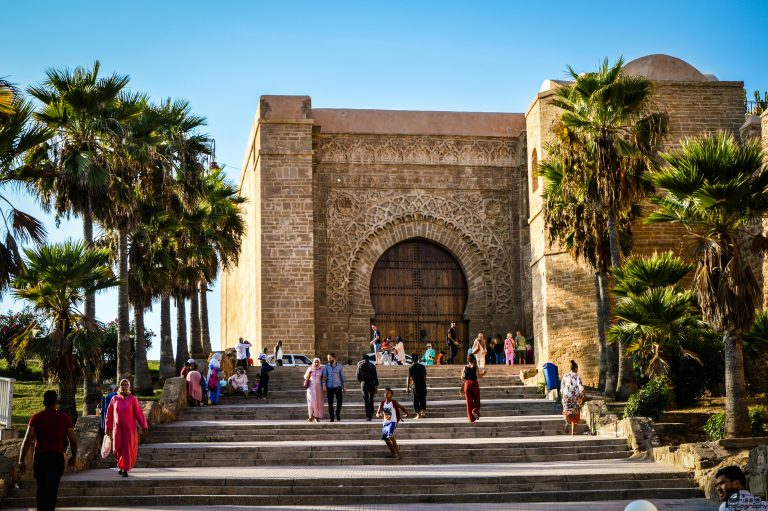
Forget the claustrophobic, mazelike medinas of the interior. Essaouira’s UNESCO-listed medina is a masterpiece of 18th-century military architecture, designed by a French engineer for a Moroccan sultan. The result is a grid. An actual, navigable grid! Wide, straight-ish streets (the Alizé demanded them for ventilation) painted in sun-bleached whites and vivid “Essaouira blue.” You can wander for hours without that panicky, lost feeling. The vibe is profoundly relaxed. Shopkeepers smile and say “Welcome” without pressure. The air smells of sawdust from the thuya wood workshops, where artisans carve intricate boxes from the fragrant, swirling grain.
But the true magic lies on its ramparts, the Skala de la Ville. Walking these fortified sea walls, past rows of silent, weathered Portuguese cannons pointed forever at the horizon, is an elemental experience. Below, the Atlantic crashes against the rocks in explosions of white spray. To the north, the working port thrums with life. To the south, the wild beach stretches towards dunes. You’re standing at the precise point where a fortified city meets the untamed ocean. It’s dramatic, poetic, and utterly free.

The Port & The Feast: Where Your Lunch is Still Swimming
Follow the scent of salt and iodine to the Skala du Port. This is the heart of the city’s economy and the source of its best meal. It’s a chaotic, glorious symphony of blue fishing boats bobbing in the harbour, screeching seagulls, and fishermen mending cobalt nets.
The ritual is simple:
- Walk past the stalls where women sell just-shucked oysters and sea urchins.
- Arrive at the grills. Here, the day’s catch sardines, swordfish, sea bream, lobster—is laid on ice.
- Point. They weigh. They grill it over coals right there.
- You take your paper-lined tray to a shared plastic table, squeeze lemon, and eat with your fingers as gulls circle overhead.
It’s messy, it’s democratic, and it’s arguably the most authentic and delicious seafood experience in Morocco. The fish was in the ocean that morning. You taste the Atlantic, the charcoal, and the simplicity.
The Soul of the City: Gnaoua, Art, and the Wind
Essaouira’s spirit is a unique fusion. It’s a deeply Moroccan town with a global heartbeat, thanks to its history as a crossroads.
- The Gnaoua Vibe: Essaouira is the world capital of Gnaoua music. This spiritual, trance-inducing music, brought by descendants of West African slaves, is in the city’s DNA. You’ll hear its rhythmic clack of krakebs (metal castanets) and the deep thrum of the guembri (bass lute) drifting from doorways. Every June, the Gnaoua World Music Festival transforms the city into a massive, joyous celebration, but the music lives here year-round in intimate nightly jam sessions (lilas).
- An Artist’s Haven: That famous light clear, bright, diffused by sea mist has attracted artists for decades. Jimi Hendrix famously visited (though the “Hendrix House” lore is more myth than fact). Today, the medina is dotted with small art galleries showcasing local painters and photographers captivated by the light, the wind, and the faces.
- The Wind & Waves: That constant Alizé isn’t just for atmosphere. It makes Essaouira one of the world’s top wind- and kitesurfing destinations. The long, wide beach and consistent wind provide perfect conditions. You can take lessons or simply watch the colourful sails dart across the waves like giant butterflies.
A Taste of the Coast: Simplicity and Spice
The food here honours the sea and the surrounding fertile plains.
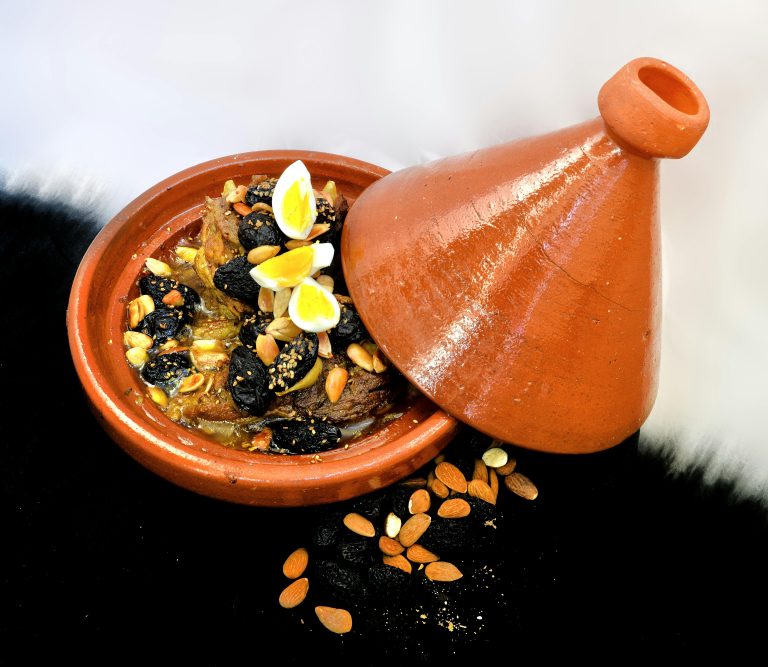
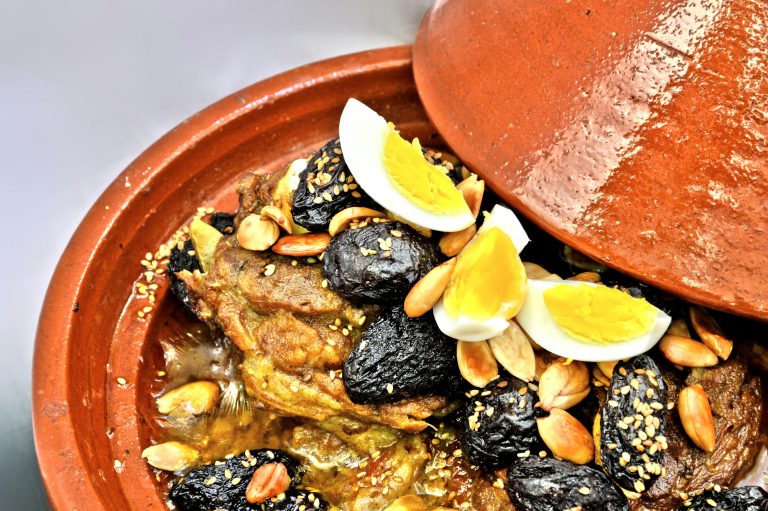
- The Tagine Essaouira: Look for fish tagine with chermoula (a vibrant marinade of herbs, lemon, and spices) or the unique chicken tagine with preserved lemons and olives from the nearby region.
- The Sardine: The humble sardine is king here, grilled to perfection at the port.
- Sweet Treats: Try amlou a divine spread of argan oil, almonds, and honey, eaten with fresh bread for breakfast. The local pastries are less syrupy than elsewhere.
- Where to Eat: Beyond the port grills, seek out small, family-run restaurants tucked in the medina. Rooftop terraces are perfect for sunset mint tea. For a special dinner, book a table at one of the upscale riad restaurants for a candlelit meal in a stunning courtyard.
Beyond the Walls: Essential Essaouira Excursions
The magic extends beyond the ramparts. Rent a car or hire a driver for the day.
| Destination | Travel Time | Why Go | Insider Note |
|---|---|---|---|
| Diabat & The Dunes | 10 mins (south) | Walk or 4×4 through the windswept dunes south of the city, past the ruins of the mysterious “Dar Sultan.” This area inspired Hendrix’s “Castles in the Sand.” | Go at sunset for incredible light and photos. It feels like the end of the world. |
| The Argan Forests & Women’s Cooperatives | 30-60 mins (inland) | Drive into the hilly hinterland to see the unique, gnarled argan trees. Visit a women’s cooperative to see the laborious process of making world-renowned argan oil and support the local economy directly. | You can buy incredibly pure cosmetic and culinary oil here. |
| Sidi Kaouki | 25 mins (south) | A laid-back surf village with a vast beach. Fewer tourists, more consistent waves for surfers, and great beachfront cafes. Perfect for a half-day escape. | The vibe is ultra-chill. Ideal if Essaouira starts to feel “busy.” |
The Nitty-Gritty: Your Essaouira Survival Guide
- Getting There: Essaouira-Mogador Airport (ESU) has some flights. Most arrive via Marrakech (a stunning 2.5-3 hour drive through argan forests) or Agadir (2.5 hours north). CTM buses are comfortable and reliable.
- Getting Around: The entire medina and port are walkable. That’s the joy. For trips to Sidi Kaouki or the airport, use petits taxis (negotiate the fare first) or a hired car.
- Where to Stay: For the full experience, a riad within the medina walls is essential. Waking up to the sound of seagulls and smelling the thuya wood is magic. For more space and direct beach access, look at hotels along the beachfront just outside the medina.
- Packing: That wind is no joke. Bring a windbreaker or a substantial scarf/jacket even in summer. The evenings can be cool. Comfortable walking shoes are a must for the cobbles.
- Mindset: Embrace the slow pace. Let yourself get lost in the grid. Sit on the ramparts and watch the fishing boats. Listen for the music. This is a town for feeling, not just seeing.

The Final Note: The Song That Lingers
You don’t leave Essaouira with a list of monuments you’ve checked off. You leave with a feeling the memory of the wind on your face, the taste of salt and grilled fish, the rhythmic pulse of a guembri heard through an open door at night. It’s a place that strips away pretence, that invites you to be quiet and observe. It’s creative, resilient, and deeply soulful.
It’s the place where you finally exhale, buy a piece of art from a smiling local, and promise yourself you’ll return. Not because you missed something, but because you found a rhythm you want to feel again. Essaouira isn’t just a destination; it’s a melody played on the strings of a guembri, carried on the Atlantic wind, and it stays with you long after you’ve gone home.
FAQ: Essaouira Morocco Travel Questions
Essaouira Morocco: Your Questions Answered
Is Essaouira worth visiting, or is it too windy?
Absolutely worth it. The wind (Alizé) is a defining, exhilarating feature—not a flaw. It keeps the air fresh and the skies bright. Pack a windbreaker and embrace it—it’s what makes Essaouira a world-class destination for wind sports and gives the city its unique, polished charm.
How many days do I need in Essaouira?
Two to three full days is ideal. Explore the medina and ramparts, relax on the beach, enjoy the port’s seafood, and take a half-day trip to the argan forests or Sidi Kaouki. Essaouira is meant for a slower, relaxed pace.
What is the Gnaoua Festival, and should I plan my trip around it?
The Gnaoua World Music Festival (usually in June) is incredible and transforms the city with free concerts. However, it gets very crowded and hotels book up early. For a first visit, coming outside the festival lets you feel Essaouira’s authentic, laid-back vibe. Gnaoua music is available year-round in smaller venues.
Where is the best place to eat fresh fish in Essaouira?
The absolute best place is the grill stalls at the fishing port (Skala du Port). Arrive at midday, choose your fish from the ice trays, and they’ll grill it right there. It’s fresh, authentic, and very affordable.
Is Essaouira a good base for exploring other parts of Morocco?
Yes—Essaouira is a perfect mid-point on a coastal route. It pairs beautifully with Marrakech (3h) and Agadir (2.5h). It’s ideal for a 1–2 night trip. While not a hub for Sahara tours, it’s the best place to unwind between more intense destinations.