Table of Contents
10 Must-Visit Places in Morocco You Can’t Miss: From Imperial Cities to Desert Dreams
Let’s be honest trying to narrow down Morocco to just ten places feels a bit like being asked to choose your favorite star in the sky. This country doesn’t just offer destinations; it offers full-sensory portals to different worlds. One day you’re in a medieval maze of scholars and artisans, the next you’re under a blanket of stars so vast it makes you whisper.
I’ve wandered these places, gotten lost in the best possible ways, and argued with friends over which corner of the country is “the best.” Spoiler: there’s no single answer. But there is a list of places that form the undeniable backbone of a legendary trip. This isn’t just a checklist; it’s a curated map to the soul of Morocco, blending the iconic with the insider secret.

1. Marrakech: The Red City’s Heartbeat

You can’t talk about Morocco without starting here. Marrakech isn’t a gentle introduction; it’s a full-blown immersion. The Jemaa el-Fnaa square is the world’s greatest open-air theatre. By day, it’s a swirl of snake charmers and juice stalls. At sunset, it transforms into a symphony of sizzling food stalls, storytellers, and music. My pro tip: Find a rooftop café terrace as the sun dips, order a mint tea, and watch the square come to life below. Then, dive into the labyrinthine souks not just to shop, but to get lost among the lantern makers and spice mountains. Seek respite in the Majorelle Garden’s electric blue oasis and the serene Bahia Palace. Marrakech is chaos and calm in perfect, dusty-pink balance.
2. Fes: The Living Medieval Labyrinth

If Marrakech is the showman, Fes is the deep, scholarly sage. Fes el-Bali is the world’s largest living medieval Islamic city, a UNESCO site that operates on its own ancient logic. Hiring a guide for your first few hours isn’t a luxury it’s a necessity to understand the 9,000-alley maze. The sensory shock of the Chouara Tannery (hold the mint they give you!) is unforgettable. But the true awe comes from the serene beauty of the Bou Inania Madrasa, a masterpiece of geometric perfection. This is where Morocco’s intellectual and artisan heart has beaten for over a millennium.
3. Chefchaouen: The Serene Blue Pearl

Nestled in the Rif Mountains, Chefchaouen feels like a dream. Every alley, stair, and doorway is washed in shades of calming blue from sky to sapphire. The lore says the blue repels mosquitos or symbolizes the sky; the effect is pure magic. Unlike the bustle of the big cities, the pace here is slow, meditative. Spend a morning getting lost in the blue maze, hike to the Spanish Mosque for a panoramic sunset view, and take a day trip to the stunning Akchour Waterfalls. It’s the perfect antidote to sensory overload.
4. The Sahara Desert (Erg Chebbi or Erg Chigaga): A Night Under Infinity
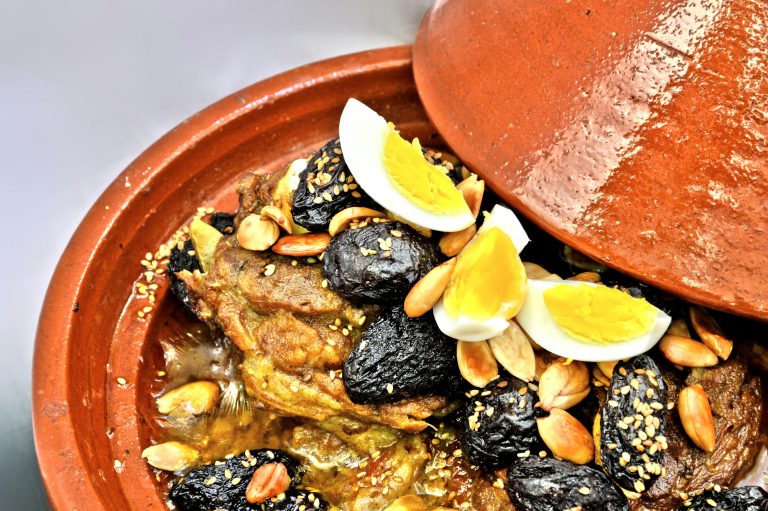
This is the iconic experience that lives in your bones forever. The journey to the sea of sand dunes Erg Chebbi near Merzouga or the more remote Erg Chigaga is part of the adventure. Ride a camel into the dunes as the sun sets, painting the sand in impossible hues of gold and red. At a Berber desert camp, you’ll share tagine under a universe of stars so bright they cast shadows, listen to traditional music around a fire, and sleep in a nomadic tent. Waking up for a silent sunrise over the dunes is a moment of pure, wordless wonder.
5. Essaouira: The Windswept Bohemian Port

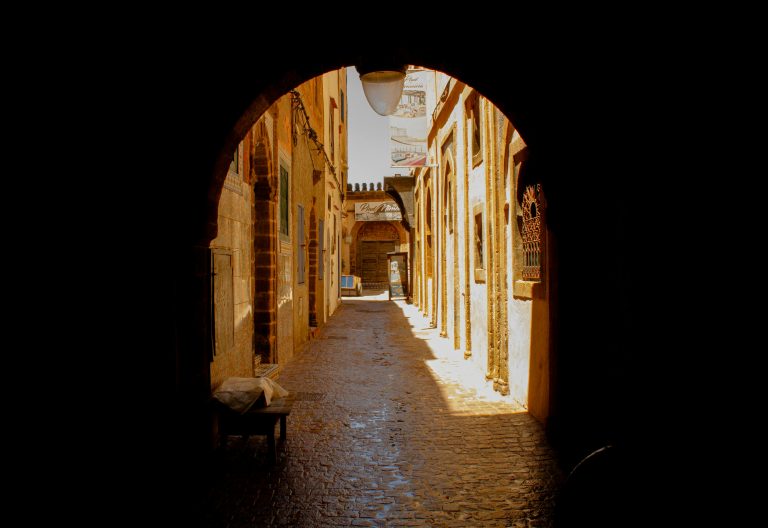
Where the Atlantic wind, the Alizé, shapes everything. Essaouira’s fortified 18th-century medina is a breath of fresh air literally and figuratively. Its grid-like streets (designed by a French engineer) are easy to navigate, lined with blue-shuttered houses, art galleries, and the scent of thuya wood. The Skala de la Ville ramparts, lined with ancient cannons, offer dramatic ocean views. But the soul of the city is at the vibrant fishing port: pick your fresh catch (sardines, lobster) and have it grilled on the spot. As the world capital of Gnaoua music, its soulful rhythms are the city’s soundtrack.
6. Casablanca: The Modern Metropolis

Often dismissed as just a business hub, Casa reveals its grandeur to those who look. The Hassan II Mosque is a staggering modern marvel partially built over the Atlantic, with the world’s tallest minaret. The tour of its exquisite interior is a must. Stroll the Corniche like the locals do, explore the charming Habous Quarter (the “new medina”), and look up to discover a stunning open-air museum of Art Deco architecture downtown. It’s a powerful glimpse into Morocco’s confident, contemporary pulse.
7. The Atlas Mountains: The Hiker’s & Culture-Seeker’s Haven
The mighty High Atlas and gentler Middle Atlas ranges are Morocco’s breathtaking backbone. This is where you find authentic Berber culture, terraced villages, and epic trekking. Toubkal National Park offers North Africa’s highest peak. The Todra & Dades Gorges are sheer cliff walls that will leave you speechless. Stay in a mountain guesthouse, share sweet mint tea with a local family, and breathe air scented with juniper and snow. It’s a world away from the city heat.
8. Ouzoud Waterfalls: The Cascading Oasis
A spectacular day trip from Marrakech or a stop en route to the desert, the Ouzoud Falls are North Africa’s tallest waterfalls. A scenic walk down leads you to the thunderous base, where rainbows dance in the mist. You can take a small boat ride, swim in refreshing pools, and watch the playful troops of Barbary macaques. The surrounding olive groves and rustic cafes make it a perfect nature escape.
9. Rabat: The Regal Capital
Often overlooked, Morocco’s capital is a graceful, green, and orderly city brimming with history. Explore the majestic Hassan Tower and the exquisite Mausoleum of Mohammed V, marvel at the sea-facing Kasbah of the Udayas with its Andalusian gardens and blue-and-white streets, and visit the cutting-edge Mohammed VI Museum of Modern Art. Rabat offers a polished, less hectic, and deeply impressive side of the nation.
10. The Dades Valley & Route of the Kasbahs: Road-Trip Through History
For an unforgettable road trip, follow the ancient caravan route from Ouarzazate through the Dades Valley. This is the land of ancient kasbahs (fortified earthen castles) like Ait Ben Haddou (a famed film set for Gladiator and Game of Thrones), and the surreal *monkey fingers rock formations. The journey itself, through rose valleys and palm oases, is a storybook of Berber history and breathtaking geology.
Planning Your Moroccan Odyssey: A Quick-Reference Table
| Destination | Best For | Recommended Stay | Signature Experience |
|---|---|---|---|
| Marrakech | Energy, shopping, food | 3-4 days | Evening on Jemaa el-Fnaa square |
| Fes | Deep history & culture | 2-3 days | Getting lost in the ancient medina |
| Chefchaouen | Photography & relaxation | 2 days | Wandering the blue streets at dawn |
| Sahara Desert | Adventure & awe | 1-2 nights (tour) | Sunrise over the Erg Chebbi dunes |
| Essaouira | Seaside charm, art, windsurfing | 2-3 days | Fresh grilled fish at the port |
| Atlas Mountains | Trekking & Berber culture | 2-4 days | Hiking & a village homestay |
| Ouzoud Waterfalls | Nature day trip | Day trip | Boat ride at the base of the falls |
Final Thoughts: It’s About the Journey, Not Just the Places
Morocco’s magic isn’t just in where you go, but in the moments between: the shared pot of tea with a shopkeeper, the unexpected vista on a mountain pass, the sound of the call to prayer echoing over a quiet alley at dusk. These ten places are your anchors, the undeniable highlights. But let yourself be guided by curiosity down that unmarked side street, accept that invitation for lunch, and let the country’s famous hospitality wash over you. Your must-visit list is the map—but the real treasure is the unforgettable journey you’ll chart for yourself.
FAQ: Morocco Travel Essentials
Your Morocco Travel Questions, Answered
What is the best time of year to visit these places in Morocco?
The ideal times are spring (March to May) and autumn (September to November). These seasons offer mild, pleasant weather—perfect for exploring cities, hiking in the Atlas Mountains, and enjoying comfortable desert nights. Summer can be extremely hot, especially inland and in the Sahara.
How many days do I need to see the top places in Morocco?
For a highlights itinerary including destinations like Marrakech, Fes, the Sahara Desert, and Chefchaouen, plan for 10–12 days. This allows enough time for travel between regions and meaningful exploration. For a slower pace or more destinations, consider 2–3 weeks.
Is it safe to travel to Morocco?
Morocco is generally a very safe and welcoming country for tourists. Petty theft can occur in crowded markets, so stay aware of your belongings. Many visitors find the salesmanship in the souks persistent—remain polite but firm, and a simple “no, thank you” (la, shukran) works well.
What is the best way to travel between these must-visit places?
For long distances, use domestic flights, modern trains (especially along the Casablanca–Rabat–Fes line), or reliable buses like CTM and Supratours. For remote areas such as the Sahara, the Dades Valley, or high mountain villages, hiring a private driver/guide or taking an organized tour is usually the most efficient and enjoyable option.
Can I visit the Sahara Desert on my own?
You can drive independently to towns like Merzouga or M’Hamid, but reaching the dunes safely and enjoying an authentic desert experience usually requires a guided tour. Reputable tours from Marrakech or Fes include transportation, camel trekking, meals, and a night in a desert camp—making it safer, easier, and richer culturally.