Table of Contents
Top Places to Visit in Morocco: The Ultimate Journey from Imperial Cities to Desert Dreams
Let’s cut to the chase. Planning a trip to Morocco is overwhelming. You’ve seen the pictures of the blue town, the red city, the huge desert. But how do you actually put it all together? Where do you even start?
I’ve spent a lot of time there, gotten lost in more alleys than I can count, bargained for carpets I didn’t need, and sat on more dusty bus seats than I’d like to admit. This isn’t a fluffy list. This is the real, detailed, nitty-gritty guide to the top places in Morocco, based on what’s actually worth your time and what you can probably skip. We’re talking cities, deserts, mountains, and coasts. Get ready to take some notes.
Part 1: The Big Three Imperial Cities
You can’t talk about Morocco without these. They’re the historical powerhouses, but each has a totally different personality.
1. Marrakech: The Full-Blown Sensory Overload
Marrakech is a lot. It’s intense, it’s beautiful, it’s exhausting, and it’s unforgettable. It’s where most people land first.
- What You Absolutely Have to Do:
- Jemaa el-Fnaa Square: Go twice. Once in the late afternoon to see it waking up, and once after dark when it transforms into pure madness. The food stalls roll out, the smoke rises, and the drumming starts. It’s a spectacle. My advice? Don’t eat at the first stall you see. Walk the whole circle, see who’s busy with locals, then pick. The snail soup is actually good.
- Get Lost in the Souks: The key word is lost. Put your map away for an hour. Go down the alley that smells like cedarwood, then the one piled with spices, then the one where you hear metalworkers hammering. You’ll hit dead ends. You’ll get turned around. That’s the point. Just remember, if you need to find your way back, ask for “Jemaa el-Fnaa.” Everyone knows the way to the square.
- Find Some Quiet: You’ll crave an escape. The Saadien Tombs are it. Tucked away behind a plain wall, it’s a stunning, quiet masterpiece of tilework and carving. El Badi Palace is different it’s a giant, beautiful ruin. You walk through empty sunken gardens and imagine what it was. For a modern oasis, Majorelle Garden is that famous blue garden. Go right when it opens to beat the worst of the crowds.
- Where to Stay: For the real experience, a riad in the medina. It’s a house turned guesthouse with an interior courtyard. Waking up to birdsong inside the crazy medina is magic. If you want pools and big hotels, look in the Palmeraie area outside the city.

2. Fes: The Medieval Brainiac
If Marrakech is a party, Fes is a university lecture. It’s older, deeper, and more serious. The medina here, Fes el-Bali, is the world’s largest car-free urban area. It’s a maze that hasn’t changed in centuries.
- My Strong Advice: Get a Guide. Seriously. For your first half-day, hire an official, licensed guide from the tourist office near the Bab Bou Jeloud gate. It’s worth every penny. They’ll navigate the 9,000 streets, explain what you’re seeing, and keep the touts at bay. After that, you can explore on your own.
- The Can’t-Miss Spots:
- The Tanneries: Yes, it smells. They’ll give you mint leaves. The view from the leather shops above is iconic for a reason men working in stone vats of dye, just like they have for a thousand years. You’re not just seeing history; you’re smelling it.
- The Bou Inania Madrasa: This religious school is open to visitors. The tilework and plaster carving will make your neck hurt from looking up. It’s peaceful and jaw-droppingly detailed.
- Just Wander: After your guide leaves, pick an alley and go. See the woodworking shops, the weavers, the guys selling fresh butter from a barrel. This isn’t a museum; it’s a living, working city.
3. Meknes & The Roman Ruins: The Underrated Day Trip
Most people blow right past Meknes on the train from Casablanca to Fes. That’s a mistake. Pair it with Volubilis for one of Morocco’s best days.
- Meknes feels like a more relaxed, miniature version of Marrakech. The huge Bab Mansour gate is probably the finest in the country. The Moulay Ismail Mausoleum is beautiful and welcoming to non-Muslim visitors, which is rare.
- Volubilis, a short taxi ride away, will shock you. You’re in the Moroccan countryside, and then BAM Roman columns and perfect mosaic floors laid out in the sun. It’s empty, quiet, and absolutely breathtaking. Walk to the top of the hill for the view.
Part 2: The Great Outdoors – Where Morocco Gets Really Big
4. The Sahara Desert: It’s Not What You Think
The desert isn’t just sand. The journey to the desert is half the adventure. You’ll drive over the High Atlas Mountains, through valleys of palm trees, and across rocky, Martian-looking plains called hamada.
- Picking Your Dunes: There are two main gateways.
- Merzouga (Erg Chebbi): This is the classic. The dunes are huge, orange-red, and right on the edge of town. You can walk to them.
- Zagora (Erg Chigaga): More remote. Getting to the big dunes requires a longer 4×4 or camel trek. Feels more “lost in the desert.”
- The Desert Night: Do not day-trip the desert. You must spend the night. A basic desert camp is fine, but if your budget allows, spring for a “luxury” camp with proper beds and a private bathroom tent. It’s worth it. The routine is perfect: arrive, ride camels into the dunes for sunset, climb a big dune in silence, come back for tagine dinner under the stars, listen to Berber drums, then stare at a sky so packed with stars it looks fake.
- Logistics: From Marrakech or Fes, you need at least 3 days for a desert trip. You can rent a car (a 4×4 for Zagora, a normal car for Merzouga is okay), or join a small group tour. The driving is an experience in itself.

NEED A STRESS-FREE RIDE?
Look, dealing with taxis at Moroccan airports after a long flight is a special kind of chaos. Haggling when you’re tired is the worst. Or maybe you’re doing a big day trip and don’t want to rent a car. This is where having a driver sorted out in advance saves your sanity.
I’ve used a service to book private transfers before and it just makes life easier. A guy with a sign meets you at baggage claim, helps with your bags, and gets you right to your hotel door. No fuss. If you’re planning complicated trips between cities or to hard-to-reach spots, you can book drivers for those too. Saves a ton of time and hassle.
>> If you want to check it out for your trip, you can find private transfer options here.
5. The Atlas Mountains: Cool Air and Real Berber Life
An hour from Marrakech and you’re in another world. The air is crisp, the pace is slow, and the scenery is huge.
- Imlil & Mount Toubkal: This is trekking central. Imlil is the main village. You can do anything from a gentle 2-hour walk to a Berber village like Aremd, to a grueling 2-day hike to the summit of Mount Toubkal, the highest peak in North Africa. You don’t have to be a hardcore hiker to enjoy it here. Just sitting on a terrace with mint tea and a mountain view is therapy.
- Ait Ben Haddou: This is the famous ancient fortified village (a ksar) you’ve seen in movies like Gladiator and Game of Thrones. It’s usually a stop on the way to the desert. It’s touristy, but it’s legitimately impressive. Climb all the way to the top for the panoramic view. Go early or late to avoid the midday tour bus rush.
6. Chefchaouen: The Blue Town (Yes, It’s Really That Blue)
The pictures don’t lie. The entire old medina is washed in shades of sky blue, cobalt, and lavender. It’s nestled in the Rif Mountains and feels completely different from the other cities.
- The Vibe: Super relaxed, almost sleepy. It’s a great place to unwind after the intensity of Fes or Marrakech. People come to wander, take photos, and shop for wool blankets and woven goods (the prices are good here).
- The Best Thing to Do: For the absolute best view, take the 30-minute hike up to the Spanish Mosque on the east hill. Go for sunset. You’ll see the whole town, a sea of blue rooftops, turning golden then dark against the mountains. It’s magical.
- Heads Up: The Rif region grows a lot of cannabis (kif). You will be offered it, constantly, especially by young guys on the street. A simple, firm “no thank you” and walking away is all you need to do.
7. The Coast: Essaouira – The Windy Escape
If you need a break from the heat, dust, and hustle, go to Essaouira. It’s a breezy, artsy port town with a totally different energy.
- What’s So Great About It: The medina is clean and orderly (it’s a UNESCO site), right on the ocean. You can walk the 18th-century ramparts, watch fishermen fix their bright blue boats in the harbor, and eat incredibly fresh seafood grilled right on the dock. Pick your fish from a stall, they weigh it, grill it, and serve it to you on a paper plate with bread. Perfection.
- The Vibe: It’s a hub for wind and kitesurfing, so there’s a cool, sporty crowd. You’ll also hear Gnaoua music (spiritual trance music) in the streets. It’s creative, laid-back, and smells like salt and sawdust from the many thuya wood workshops.
Part 3: The Modern Cities & The Deep South
8. Casablanca: The Working Giant
Most people say to skip it. I disagree. You shouldn’t spend a week here, but the Hassan II Mosque alone is worth a night. It’s one of the most staggering modern buildings in the world. Jutting out over the Atlantic, its minaret is the tallest on the planet. The tour inside reveals a hall of unbelievable craftsmanship. The rest of the city is about Art Deco architecture from the 1930s, huge seafront walks (the Corniche), and seeing the modern, economic engine of Morocco. It’s not “pretty,” but it’s real.
9. Rabat: The Chill Capital
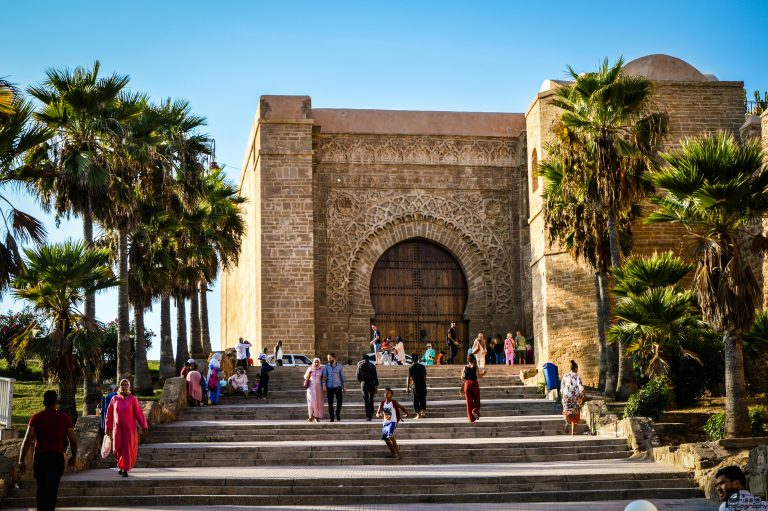
Everyone forgets the capital. Rabat is calm, green, and elegant. The Kasbah of the Udayas is a stunning blue-and-white fortress neighborhood on a cliff over the ocean. The Hassan Tower and the beautiful Mohammed V Mausoleum are together on a vast, impressive plaza. It’s an easy, pleasant train ride from Casablanca and makes for a perfect, less hectic day or overnight trip.
10. The Deep South: Ouarzazate to Taroudannt
South of the Atlas, you’re in another Morocco. Ouarzazate is “Ouallywood,” a desert film studio town. It’s a good stopover. Further south, Taroudannt is called “little Marrakech” but without the tourists. It’s a totally authentic, walled market town where you’ll be the only foreigner in the souk. It’s for those who want to get way, way off the trail.

Part 4: How to Put Your Trip Together (Real Itineraries)
Here’s how this looks in real life:
- The Classic 10-Day Loop (Desert & Imperial Cities):
- Days 1-3: Land in Marrakech. Explore the city.
- Day 4: Drive/tour to Sahara (Merzouga). Stop at Ait Ben Haddou. Sleep in Dades Valley.
- Day 5: Sahara Desert. Camel trek, camp overnight.
- Day 6: Drive to Fes.
- Days 7-8: Explore Fes.
- Day 9: Day trip to Meknes & Volubilis.
- Day 10: Fly home from Fes or train to Casablanca to fly out.
- The 7-Day Highlights (No Desert):
- Days 1-3: Marrakech.
- Day 4: Day trip or overnight to Essaouira (bus or private transfer).
- Day 5: Travel to Fes (long train ride).
- Days 6-7: Fes, then depart.
- The 5-Day Taster:
- Focus on one region. Marrakech + Atlas Mountains (Imlil) + a day in Essaouira.
MAKING MOVES BETWEEN CITIES
Getting from Marrakech to Fes, or to Chefchaouen, or down to the desert involves trains, buses, or long taxi rides. It can eat up a whole day. If your time is short or you just hate figuring out local transport, another option is to book a private car with a driver. It’s not as expensive as you might think split between a few people. You get door-to-door service, can stop for photos whenever you want, and it’s just… easier. I’ve done both the budget way and the driver way, and for certain legs of a trip, the driver is a luxury that saves your energy for exploring.
>> If you’re curious about pricing out a car and driver for a specific route, you can look into that here.
Part 5: The Bare-Knuckle Travel FAQ
When should I go?
Spring (April-May) and Fall (Sept-Oct) are perfect everywhere. Summer is brutally hot in the interior and desert. Winter can be surprisingly cold, especially in the mountains and desert at night pack a real jacket.
Is it safe?
Yes, for the vast majority of travelers. The biggest annoyances are scams and hassles in the main squares of Marrakech and Fes. Be firm, don’t be afraid to say “no” loudly, and ignore “guides” who say places are closed. For solo women, you’ll get stares and comments. Dress conservatively (cover shoulders and knees), wear sunglasses, and walk with purpose. It’s more annoying than dangerous.
How do I get around?
- Trains: Fantastic on the main line (Casablanca, Rabat, Fes, Tangier). Comfortable and cheap.
- Buses: CTM is the reliable, premium company. Use them for trips like Marrakech to Essaouira or Fes to Chefchaouen. Book a day ahead.
- Grand Taxis: Shared old Mercedes that run set routes between cities/towns. Squeeze in. Agree on the price for your seat before getting in.
- Car Rental: Gives total freedom, especially for the desert loop. Be ready for chaotic city driving and police checkpoints. Get full insurance.
What about money and haggling?
- Cash is king, especially in markets. Get Dirhams from ATMs.
- Haggling is expected in the souks. It’s a game. Be friendly. If you like something, ask the price. My rule: I decide what I’m willing to pay, then offer about half of their first price. We meet somewhere in the middle. If you don’t like the price, smile, say “thank you,” and walk away. Often, the real price comes out as you’re leaving. Don’t haggle over a $1 item just pay it.
The Final Word
Morocco will mess with you. It will be louder, smellier, more beautiful, and more challenging than you imagined. You’ll have moments of frustration followed by moments of pure wonder like finding a perfect quiet courtyard, or sharing a pot of tea with a shopkeeper who’s no longer trying to sell you anything.
Don’t try to see it all. Pick a few places, stay longer, and soak it in. Get lost. Eat from the street cart. Drink the mint tea. Let the place get under your skin. That’s how you find the real Morocco, the one beyond the top ten list.